How to Get Cheap Prescription Drugs Without Insurance: A Practical Guide for 2026
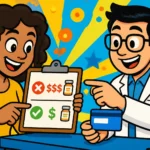
Prescription costs can become skyrocketing, overwhelming, and difficult to predict, especially for individuals and families without health insurance. A single brand-name medication may cost hundreds of dollars, while even common generics can create a serious financial burden when several prescriptions are needed each month.
Fortunately, uninsured consumers have practical ways to reduce pharmacy costs. The most effective approach usually combines generic alternatives, price comparisons, free prescription discount cards, pharmacy savings programs, and assistance resources.
This guide explains how to find cheap prescription drugs without insurance in 2026 while keeping the process safe, transparent, and easy to follow.
1. Ask the Prescriber About Lower-Cost Options
The first opportunity to save often comes before the prescription reaches the pharmacy.
Individuals and families should ask the prescriber:
- Is a generic version available?
- Is there a lower-cost medication in the same therapeutic class?
- Would a different strength or dosage schedule be appropriate?
- Can the prescription be written for a 90-day supply?
- Are manufacturer samples or assistance programs available?
Generic medications must meet federal standards for quality, strength, and effectiveness. They are often less expensive than brand-name versions, although prices vary by medication and pharmacy.
A prescriber should make the final decision about whether a generic or alternative is medically appropriate. Patients should never change a medication, skip doses, split tablets, or stop treatment solely to save money without speaking with a qualified healthcare professional.
2. Use a Free Prescription Savings Card
A free prescription savings card, also called an rx savings card or prescription discount card, can provide access to a lower negotiated cash price at participating pharmacies.
These cards are not health insurance. Instead, they may reduce the amount paid at the pharmacy counter. This can be especially useful for uninsured and underinsured individuals who do not have a prescription plan.

The YourDrugCard.com free prescription drug card is designed to help individuals and families reduce prescription costs without enrollment barriers.
Key Card Features
- Free For Everyone
- No Health Restrictions
- No Deductibles or Co-Pays for access to the card
- Card Pre-Activated
- Use Card Immediately
- Card Never Expires
- Accepted Nationwide at participating pharmacies
The card has no membership fee or health screening requirement. However, the prescription itself is not free, and the final price depends on the medication, dose, quantity, pharmacy, and current pricing agreements.
For more information, individuals can review YourDrugCard.com’s resources about free prescription drug cards and prescription drug cards.
3. Compare the Price Before Paying
Prescription prices can differ substantially between pharmacies. The pharmacy closest to a person’s home is not always the least expensive option.
Before filling a prescription, consumers should:
- Write down the exact drug name, strength, and quantity.
- Check the price at several nearby pharmacies.
- Compare the pharmacy’s regular cash price with a discount card price.
- Ask whether a 30-day or 90-day supply costs less.
- Confirm the final price before authorizing the prescription.
A prescription discount card may produce a lower price at one pharmacy but not another. There is no universal lowest price, and savings may change between refills.
Consumers can also use reputable price comparison tools, including:
The purpose of comparing options is not to create more confusion. It is to give the consumer a clear view of available cash prices before arriving at the pharmacy.
4. Tell the Pharmacy How the Prescription Will Be Paid
At the pharmacy counter, the patient should clearly state that the prescription will be paid for with a discount card or cash price, not insurance.
The pharmacy may need to process the card information through its system. Patients should:
- Present the physical card, digital card, or coupon information.
- Ask the pharmacy to run the prescription using the card.
- Confirm the total before paying.
- Ask whether the regular cash price is lower.
- Keep the receipt for future comparisons.
Most prescription discount cards cannot be combined with insurance, Medicare, Medicaid, or another discount card for the same transaction. The pharmacist can explain which available option produces the lower price.
If a pharmacy employee cannot locate the card or coupon, the patient can ask whether the pharmacy accepts that specific program and whether another participating location is available.
5. Check Generic Prescription Programs at Major Pharmacies
Some major pharmacies, grocery stores, and warehouse pharmacies maintain low-cost generic lists or savings programs. These programs may be less expensive than a discount card for certain medications.
Consumers should ask local pharmacies about:
- Low-cost generic lists
- 30-day and 90-day pricing
- Free or reduced-cost antibiotics
- Pharmacy membership programs
- Mail-order options
- Prices for commonly prescribed maintenance medications
A savings club may charge an annual or monthly fee, so individuals should calculate the total cost before joining. A program may make sense for someone taking several maintenance medications but not for a person filling one prescription occasionally.
Compare the complete cost: not just the advertised medication price. Include membership fees, shipping, minimum quantities, and refill requirements.
6. Consider Mail-Order and Nonprofit Pharmacies
For long-term medications, mail-order pharmacies can sometimes offer lower prices, particularly for 90-day supplies. Consumers should compare:
- Medication price
- Shipping charges
- Delivery time
- Refill requirements
- Pharmacist access
- Return and cancellation policies
Rx Outreach is a nonprofit mail-order pharmacy that provides low-cost medications to eligible individuals. NeedyMeds also provides information about patient assistance programs, coupons, rebates, savings cards, and affordable clinics.
Online pharmacy safety is essential. The FDA’s guidance on buying medicines over the internet recommends checking that an online pharmacy is properly licensed and requires a prescription when one is legally required.
Consumers should be cautious of websites that:
- Sell prescription medication without asking for a prescription
- Offer prices that seem impossibly low
- Do not provide a physical address or phone number
- Do not identify a licensed pharmacist
- Sell medications with unclear labeling or packaging
7. Search for Manufacturer Assistance
Brand-name medications can remain expensive even after using a discount card. In that situation, the manufacturer may offer a savings card or patient assistance program.
Manufacturer programs may include:
- Copay savings cards
- Free medication for qualifying patients
- Temporary medication supplies
- Bridge programs
- Assistance for specific diseases or income levels
Patients can search the medication manufacturer’s official website or ask the prescriber’s office for help. Nonprofit resources such as NeedyMeds’ patient assistance program directory can also help identify programs.
Eligibility rules differ. Some programs are limited to uninsured patients, while others have income requirements or exclude people enrolled in certain government programs. Applicants should read the terms carefully and verify eligibility directly with the program administrator.
8. Look Into Community and Government Resources
Individuals struggling with prescription costs may also qualify for help through community health centers, charitable organizations, state programs, or disease-specific foundations.
Useful steps include:
- Contacting a local community health center.
- Asking whether sliding-fee services are available.
- Asking about reduced-cost pharmacy partnerships.
- Checking state or county prescription assistance programs.
- Contacting a disease-specific nonprofit organization.
- Speaking with a social worker or patient advocate.
The Patient Advocate Foundation provides information for people dealing with medication affordability challenges while uninsured.
Individuals who recently lost coverage should also review their options through HealthCare.gov. Insurance may not be the immediate solution for every household, but coverage can provide broader protection for prescriptions, doctor visits, and unexpected medical needs.
9. Follow This Simple Prescription-Savings Checklist
When receiving a new prescription, the following process can reduce unnecessary spending:
- Ask for a generic or clinically appropriate lower-cost alternative.
- Write down the exact medication, dose, and quantity.
- Check a free prescription savings card.
- Compare prices at several major pharmacies.
- Check whether a 90-day supply costs less.
- Ask about manufacturer assistance for brand-name drugs.
- Confirm the final price before paying.
- Recheck the price at each refill because pharmacy prices change.
- Use only licensed pharmacies and legitimate assistance programs.
- Speak with a doctor or pharmacist before changing treatment.

Important Safety and Transparency Notes
A discount card is a cost-saving tool, not insurance. It does not replace medical coverage, guarantee a specific price, or determine whether a medication is appropriate.
Savings depend on several factors, including:
- Medication and manufacturer
- Dosage and quantity
- Pharmacy location
- Current network pricing
- Generic availability
- Local and federal program rules
A free card can be used without health restrictions, deductibles, or expiration concerns, but the pharmacy must still process the prescription and the patient must pay the applicable discounted price.
Patients should also keep their prescriber and pharmacist informed about all medications they take. This helps the healthcare team identify possible interactions, duplicate therapies, allergies, or dosing concerns.
The Practical Path to Lower Prescription Costs
Finding cheap prescription drugs without insurance requires comparison, but the process does not need to be daunting. A generic alternative, a free rx savings card, a major-pharmacy program, or a manufacturer assistance application may significantly reduce the final cost.
The most practical starting point is simple: ask about lower-cost treatment options, compare the cash price, and use a free prescription discount card at a participating pharmacy. YourDrugCard.com makes that first step accessible with a pre-activated card that never expires and has no health restrictions.
Consumers should compare every available option and confirm the price before paying. When used responsibly, prescription savings cards offer a straightforward and cost-effective way for uninsured and underinsured individuals and families to make essential medications more affordable.

This article is for general educational purposes only. YourDrugCard.com is not a healthcare provider, insurance agency, or pharmacy and does not provide medical advice, diagnosis, or treatment. Medication prices, pharmacy participation, eligibility requirements, and program terms may change. Individuals should consult a qualified healthcare professional or pharmacist for personalized guidance.