How to Save on GLP-1 Weight Loss Drugs Without Insurance (5 Proven Ways for 2026)
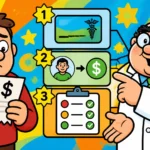
GLP-1 medications have become an important treatment option for many individuals managing obesity, overweight, or type 2 diabetes. However, the cost can be daunting for people without insurance or for those whose plans exclude weight-management medications.
At full retail cash prices, Ozempic, Wegovy, Mounjaro, and Zepbound can cost approximately $900 to $1,300 or more per month, depending on the medication, dose, pharmacy, and location. That level of spending creates a serious burden for individuals and families.
Fortunately, there are several legitimate ways to reduce the cost. The best option depends on the prescribed medication, medical indication, insurance status, income, and eligibility for manufacturer programs.
Important: GLP-1 medications require a prescription and medical supervision. Individuals should never change doses, skip treatments, or purchase medication from an unverified source to save money.
Why GLP-1 Cash Prices Can Be So High
The four medications commonly discussed in connection with GLP-1 treatment do not all have the same FDA-approved uses:
- Wegovy® and Zepbound® are approved for certain weight-management uses.
- Ozempic® and Mounjaro® are approved for type 2 diabetes and may be prescribed differently by a healthcare professional.
- The exact price depends on the dose, formulation, supply length, pharmacy, and discount program.
- Manufacturer coupons often have strict eligibility rules.
A person paying the regular pharmacy cash price may face an exorbitant monthly bill. The following five strategies can help reduce that cost.

1. Use a Free Prescription Discount Card
A prescription discount card, also called an rx savings card, may reduce the cash price of eligible prescriptions at participating pharmacies. It is not health insurance. Instead, the card provides access to negotiated pharmacy pricing.
For GLP-1 medications, a discount card may not always produce the lowest available price. Manufacturer direct-pay programs can sometimes offer a better rate. However, comparing a free card price is still worthwhile because:
- There is no enrollment fee.
- No health restrictions apply to access.
- The card is pre-activated.
- Use Card Immediately.
- Card Never Expires.
- No paperwork or claims are required.
- Accepted Nationwide at participating pharmacies.
Individuals can request the YourDrugCard.com free prescription drug card and ask the pharmacy to compare the card price with the regular cash price and any manufacturer option.
The final price is not guaranteed. It can vary by drug, dose, quantity, pharmacy, and current pricing agreements. A prescription discount card also generally cannot be combined with insurance or another coupon for the same transaction.
2. Check Manufacturer Direct-Pay Programs
Manufacturer direct-pay programs are among the most important developments for uninsured GLP-1 patients in 2026. These programs allow eligible patients to purchase certain medications outside traditional insurance billing.
LillyDirect for Zepbound
Eli Lilly’s official self-pay pathway for Zepbound may provide substantially lower pricing than the regular retail list price. Current 2026 program information generally places LillyDirect self-pay pricing at approximately:
- $299 per month for the 2.5 mg starter dose
- $399 per month for the 5 mg dose
- Approximately $449 per month for many higher doses when program refill requirements are met
Pricing, formulation, refill timing, and eligibility requirements can change. Individuals should review the official Zepbound coverage and savings information and the Lilly announcement about Zepbound self-pay availability.
The regular Zepbound Savings Card advertised at very low prices is generally intended for people with qualifying commercial insurance. Uninsured patients should not assume they qualify for the standard $25 offer. The self-pay pathway is different and may be the relevant option.
NovoCare for Wegovy and Ozempic
NovoCare offers official self-pay resources for eligible Wegovy and Ozempic prescriptions. Current 2026 information lists options that may include:
- Wegovy injection: approximately $349 per month after the introductory period
- New Wegovy self-pay patients: $199 per month for the first two starter fills when program terms are met
- Wegovy tablets: approximately $149 to $299 per month, depending on dose and offer terms
- Ozempic: self-pay pricing may vary by dose and current NovoCare program rules
The official Wegovy savings and self-pay page and NovoCare Pharmacy provide the most current details.
Prices and deadlines change. For example, some introductory offers apply only to new patients, specific doses, or a limited number of fills. Patients should confirm the exact price before sending a prescription.
3. Review Manufacturer Savings Coupons Carefully
Manufacturer savings coupons can reduce costs, but they are not universal discount cards. Eligibility rules are often strict.
A typical manufacturer coupon may require:
- A valid prescription for an FDA-approved indication
- Qualifying commercial or private insurance
- A participating pharmacy
- Enrollment in the manufacturer program
- Compliance with monthly or annual savings limits
Many manufacturer coupons exclude Medicare, Medicaid, VA, TRICARE, and other government healthcare programs. A person with commercial insurance may qualify for a copay offer, while an uninsured person may need to use a separate self-pay program.
For example, the official Wegovy Savings Offer terms state that commercial copay assistance can reduce costs for eligible patients, but government program beneficiaries are excluded. The offer also cannot be combined with a cash discount card or another coupon.
The same distinction applies to Zepbound. The standard commercial-insurance savings card is not the same as the uninsured self-pay offer.
Before relying on an advertised coupon, individuals should verify:
- Whether the program accepts uninsured patients.
- Whether Medicare or Medicaid enrollment creates an exclusion.
- Whether the prescription must be processed through insurance first.
- Whether the offer applies to the prescribed dose.
- What the price becomes after the introductory period.
4. Ask the Prescriber About Lower-Cost Alternatives
The least expensive medication is not always the right medication. However, a prescriber may be able to identify a clinically appropriate alternative that costs less.
Individuals can ask:
- Is there a lower-cost medication in the same treatment category?
- Would an oral weight-management medication be appropriate?
- Is the current dose medically necessary, or is a lower maintenance dose appropriate?
- Are there generic non-GLP-1 alternatives for the individual’s condition?
- Does the prescribed medication have a manufacturer assistance program?
- Would a 90-day prescription reduce the total cost?
As of 2026, generic versions of the most commonly discussed brand-name GLP-1 medications may not be broadly available, so patients should not assume a generic equivalent exists. However, other FDA-approved oral or non-GLP-1 medications may be appropriate for some individuals.
Dose optimization must always be handled by a healthcare professional. Patients should not split pens, stretch doses, reuse needles, or change the titration schedule without specific medical instructions.
5. Compare Pharmacies Before Filling the Prescription
Pharmacy prices can differ considerably. The nearest pharmacy is not necessarily the least expensive, particularly for high-cost medications.
Before filling a GLP-1 prescription, individuals should:
- Confirm the exact medication, formulation, dose, and quantity.
- Call several local pharmacies.
- Ask for the regular cash price.
- Ask whether the pharmacy accepts a prescription discount card.
- Ask whether the pharmacy can process an eligible manufacturer offer.
- Compare the pharmacy price with the manufacturer’s direct-pay program.
- Confirm the final price before authorizing the fill.
A useful question for the pharmacist is:
“Could you please compare the regular cash price, the prescription discount card price, and any eligible manufacturer self-pay or savings offer for this exact dose?”
Do not compare prices using a different dose or supply length. A lower advertised price may apply only to a starter dose, a limited-time offer, or a 28-day supply.
Special 2026 Option: Medicare GLP-1 Bridge
Individuals with Medicare should review the new Medicare GLP-1 Bridge before paying the full cash price.
According to CMS, the temporary demonstration runs from July 1, 2026, through December 31, 2027. Eligible Medicare Part D beneficiaries may receive certain GLP-1 medications for weight management at a $50 monthly copay.
The program generally requires:
- Enrollment in an eligible Medicare Part D plan
- A prescription for a covered weight-management indication
- Meeting CMS clinical eligibility criteria
- Prior authorization submitted by the prescriber
The Medicare GLP-1 Bridge is not the same as a manufacturer coupon. It operates separately from the normal Part D benefit structure, and the $50 payment does not count toward certain Part D out-of-pocket calculations. Individuals should review Medicare’s weight-loss drug information or call 1-800-MEDICARE.
Avoid Unregulated GLP-1 Sellers
Skyrocketing prices can make online offers appear tempting, but deep discounts can carry serious safety risks.
The FDA warns that unapproved and fraudulent semaglutide or tirzepatide products may contain incorrect ingredients, incorrect doses, or no active ingredient at all.
Warning signs include:
- No prescription requirement
- “Research use only” products marketed for human use
- Claims that a compounded product is identical to an FDA-approved drug
- No state-licensed pharmacy information
- Damaged or poorly labeled packaging
- Medication arriving warm when refrigeration is required
- Prices that seem too good to be true
Patients should obtain GLP-1 medications through a licensed prescriber and a state-licensed pharmacy. Compounded medications may have a legitimate role in limited circumstances, but they are not FDA-approved and should only be considered with qualified medical guidance.
Managing Related Healthcare Costs with a DMPO Plan
GLP-1 treatment can involve more than the medication itself. Individuals and families may also face costs for doctor visits, lab work, dental care, vision care, or chiropractic services.
A Discount Medical Plan Organization (DMPO) is not health insurance. It provides access to negotiated discounts through participating providers. YourDrugCard.com DMPO plans start at $9.95 per month for the entire family, with no claims to file.
Learn more about YourDrugCard.com DMPO plans and use the provider search tool to review participating providers.

The Most Practical GLP-1 Savings Strategy
There is no single discount that works for every patient. The most practical approach is to compare several legitimate options in the correct order:
- Ask the prescriber about lower-cost and clinically appropriate alternatives.
- Check official manufacturer direct-pay programs.
- Review manufacturer coupons and exclusions.
- Compare several pharmacies.
- Run the prescription through a free prescription discount card.
- Confirm the final price before payment.
For uninsured and underinsured individuals, a free prescription discount card offers an easy starting point, while LillyDirect, NovoCare, and the Medicare GLP-1 Bridge may provide more substantial savings when eligibility requirements are met.
Get a free YourDrugCard.com prescription discount card, and review DMPO family savings options for related healthcare expenses.

This article is for general educational purposes only. YourDrugCard.com is not a healthcare provider, insurance agency, or pharmacy and does not provide medical advice, diagnosis, or treatment. Medication prices, pharmacy participation, manufacturer offers, eligibility requirements, and program terms may change. Individuals should consult a qualified healthcare professional and pharmacist before starting, stopping, or changing any medication.