YourDrugCard.com
GoodRx vs SingleCare vs WellRx: Which Prescription Discount Card Saves You More in 2026?
Prescription costs remain a serious burden for uninsured and underinsured individuals and families. Retail prices can be skyrocketing, insurance copays may be unpredictable, and comparing pharmacy discount coupons can feel overwhelming.
GoodRx, SingleCare, and ScriptSave WellRx are among the most recognized prescription discount card programs in the United States. Free prescription savings cards, including the card available through YourDrugCard.com, offer another option.
The important answer is straightforward: no single prescription discount card is always the cheapest. Prices can change based on the medication, dose, quantity, pharmacy, location, and date. The best approach is to compare the final cash prices for the exact prescription before every fill.
Quick Comparison: GoodRx vs SingleCare vs WellRx
| Feature | GoodRx | SingleCare | ScriptSave WellRx |
|---|---|---|---|
| Basic card cost | Free | Free | Free |
| Optional paid tier | GoodRx Gold or Companion may be available | No standard paid tier | No standard paid tier |
| Advertised potential savings | Up to 80% or more on some prescriptions | Up to 80% on some prescriptions | Up to approximately 80% on some prescriptions |
| Pharmacy access | Broad nationwide network | More than 35,000 participating pharmacies commonly cited | More than 65,000 participating pharmacies commonly cited |
| How the card works | Digital or printed coupon | Digital or printed coupon | Digital or printed card or coupon |
| Insurance compatibility | Use instead of insurance for a specific fill | Use instead of insurance for a specific fill | Use instead of insurance for a specific fill |
| Best-known strength | Large network and price comparison tools | Free-only access and competitive prices | Large network and medication management tools |
These figures are general program descriptions, not guarantees. The price shown for one medication does not predict the price of another.
1. GoodRx: A Broad Network and Optional Membership
GoodRx is a prescription price-comparison service that provides free digital and printable coupons. Individuals enter a medication name, strength, form, quantity, and ZIP code to view prices at participating pharmacies.
The standard GoodRx program is free. The coupon is processed at the pharmacy like a discount card, and the customer pays the negotiated cash price directly to the pharmacy.
GoodRx advantages
- Free basic coupons
- Large nationwide pharmacy network
- Price comparisons across nearby pharmacies
- Digital, printable, texted, or emailed coupons
- Useful app and medication search tools
- Optional paid membership for potentially deeper discounts
GoodRx also offers a paid membership program known as GoodRx Gold or, on some pages, GoodRx Companion. Membership pricing and program terms can change, so consumers should review the current official GoodRx membership page before enrolling.
GoodRx limitations
- The free coupon price may not be the lowest available price.
- The paid membership fee must be included when calculating total savings.
- A Gold or Companion price may apply only at participating pharmacies.
- The card is not health insurance.
- It generally cannot be combined with insurance, Medicare, or Medicaid for the same prescription fill.
GoodRx may be a strong choice for individuals who want a large network and a convenient way to compare multiple pharmacies.
2. SingleCare: A Free-Only Prescription Savings Option
SingleCare offers a free prescription discount card and pharmacy discount coupons. Its website and app allow users to search for a medication, select the dose and quantity, and compare prices at participating pharmacies.
SingleCare commonly reports access to more than 35,000 pharmacies, including major chains and grocery pharmacies. Participation can vary by location, so the price search should be checked before visiting the pharmacy.
SingleCare advantages
- Always free to use
- No monthly membership fee
- Digital and printable coupons
- Available at many major pharmacy chains
- Can sometimes beat insurance copays
- May offer competitive prices on certain brand-name and generic prescriptions
The SingleCare how-it-works page explains that the customer presents the coupon before payment. The pharmacist processes the prescription using the discount information, and the customer pays the resulting cash price.
SingleCare limitations
- It cannot be stacked with insurance for the same fill.
- Not every prescription or pharmacy will produce the same discount.
- A coupon price may change between searches.
- The pharmacy must participate in the program for the coupon to work.
SingleCare may be a practical choice for individuals who want a free rx savings card without paying for a premium membership.
3. ScriptSave WellRx: A Free Card With a Large Network
ScriptSave WellRx provides a free prescription savings card that can be used for many generic and brand-name medications. The program is not insurance and is designed for individuals who choose to pay a discounted cash price.
WellRx states that its card is accepted at more than 65,000 pharmacies. Individuals can search for medication prices through the website or app and receive a digital or printable card.
WellRx advantages
- Free to join and use
- Large participating pharmacy network
- Digital or printable card access
- Medication reminders and price-tracking tools
- Can be used by eligible members of a household
- Useful for comparing prices before refills
WellRx also offers educational resources that may help individuals manage multiple prescriptions. However, the final discount still depends on the drug, pharmacy, location, strength, and quantity.
WellRx limitations
- It cannot generally be combined with insurance on the same fill.
- Some prices may be higher or lower than GoodRx or SingleCare.
- The card does not replace health insurance.
- Pharmacy participation and discount amounts can change.
WellRx may be a good fit for households managing several prescriptions and looking for a free card with medication-management features.

The Five-Minute Prescription Price Comparison Method
Because no prescription discount card wins every comparison, individuals can use the following process before filling a prescription.
Minute 1: Gather the exact prescription details
Write down:
- Medication name
- Generic or brand name
- Strength
- Dosage form, such as tablet, capsule, cream, or liquid
- Quantity
- Preferred pharmacy
- ZIP code or location
A price search is only useful when the prescription details match. A 30-day supply and a 90-day supply can produce very different prices.
Minute 2: Check the insurance or cash price
If the individual has insurance, ask the pharmacy for the insurance copay. Then ask for the regular cash price.
A discount card may be less expensive than an insurance copay in some situations, but that is not guaranteed. The customer should compare the final out-of-pocket amount: not the advertised percentage savings.
Minute 3: Search GoodRx, SingleCare, and WellRx
Use the official websites or apps:
Enter the same medication details into each service. Record the price, pharmacy, quantity, and any conditions attached to the coupon.
Minute 4: Check another free prescription savings card
The price from a fourth card may be lower. Individuals can check the free YourDrugCard.com prescription card and use its price-check and pharmacy-location resources.
YourDrugCard.com describes its card as:
- Free for everyone
- No health restrictions
- No deductibles or copays
- Pre-activated
- Use card immediately
- Card never expires
- Accepted nationwide
As with any prescription discount program, the pharmacy should confirm the final price before the prescription is processed.
Minute 5: Choose the lowest final price
Create a simple comparison:
| Payment option | Final price |
|---|---|
| Insurance copay | $___ |
| Regular cash price | $___ |
| GoodRx coupon | $___ |
| SingleCare coupon | $___ |
| WellRx card | $___ |
| YourDrugCard.com card | $___ |
The lowest option may change from one prescription to another. A customer can use one card for one medication and another card for a different medication.
Important Rules Before Using a Prescription Discount Card
Prescription discount cards can lower costs, but they have clear limitations.
- They are not health insurance.
- They do not pay medical bills or hospital costs.
- They generally cannot be combined with insurance on the same fill.
- The purchase may not count toward an insurance deductible.
- Prices can change without notice.
- The pharmacy must process the correct coupon before payment.
- The customer should confirm the price before the transaction is finalized.
Individuals with Medicare or Medicaid should also understand that using a discount card instead of insurance may have implications for how the purchase is recorded. A pharmacist can explain the applicable options.

Which Prescription Discount Card Saves More in 2026?
The fairest conclusion is that GoodRx, SingleCare, and WellRx can all provide meaningful savings, but none is consistently cheapest for every prescription.
- GoodRx may be best for a broad pharmacy network, easy price comparisons, and optional paid savings.
- SingleCare may be best for individuals who want a free-only prescription discount card.
- WellRx may be best for individuals managing multiple prescriptions and seeking a large participating network.
- YourDrugCard.com offers a practical free prescription savings card with no health restrictions, no expiration, and immediate use.
The most cost-effective strategy is not choosing one card permanently. It is spending five minutes comparing the actual prices for the exact medication and pharmacy.
Get the free YourDrugCard.com prescription savings card and check the price before the next refill.
How to Save on GLP-1 Weight Loss Drugs Without Insurance (5 Proven Ways for 2026)
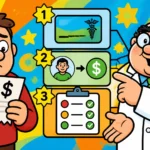
GLP-1 medications have become an important treatment option for many individuals managing obesity, overweight, or type 2 diabetes. However, the cost can be daunting for people without insurance or for those whose plans exclude weight-management medications.
At full retail cash prices, Ozempic, Wegovy, Mounjaro, and Zepbound can cost approximately $900 to $1,300 or more per month, depending on the medication, dose, pharmacy, and location. That level of spending creates a serious burden for individuals and families.
Fortunately, there are several legitimate ways to reduce the cost. The best option depends on the prescribed medication, medical indication, insurance status, income, and eligibility for manufacturer programs.
Important: GLP-1 medications require a prescription and medical supervision. Individuals should never change doses, skip treatments, or purchase medication from an unverified source to save money.
Why GLP-1 Cash Prices Can Be So High
The four medications commonly discussed in connection with GLP-1 treatment do not all have the same FDA-approved uses:
- Wegovy® and Zepbound® are approved for certain weight-management uses.
- Ozempic® and Mounjaro® are approved for type 2 diabetes and may be prescribed differently by a healthcare professional.
- The exact price depends on the dose, formulation, supply length, pharmacy, and discount program.
- Manufacturer coupons often have strict eligibility rules.
A person paying the regular pharmacy cash price may face an exorbitant monthly bill. The following five strategies can help reduce that cost.

1. Use a Free Prescription Discount Card
A prescription discount card, also called an rx savings card, may reduce the cash price of eligible prescriptions at participating pharmacies. It is not health insurance. Instead, the card provides access to negotiated pharmacy pricing.
For GLP-1 medications, a discount card may not always produce the lowest available price. Manufacturer direct-pay programs can sometimes offer a better rate. However, comparing a free card price is still worthwhile because:
- There is no enrollment fee.
- No health restrictions apply to access.
- The card is pre-activated.
- Use Card Immediately.
- Card Never Expires.
- No paperwork or claims are required.
- Accepted Nationwide at participating pharmacies.
Individuals can request the YourDrugCard.com free prescription drug card and ask the pharmacy to compare the card price with the regular cash price and any manufacturer option.
The final price is not guaranteed. It can vary by drug, dose, quantity, pharmacy, and current pricing agreements. A prescription discount card also generally cannot be combined with insurance or another coupon for the same transaction.
2. Check Manufacturer Direct-Pay Programs
Manufacturer direct-pay programs are among the most important developments for uninsured GLP-1 patients in 2026. These programs allow eligible patients to purchase certain medications outside traditional insurance billing.
LillyDirect for Zepbound
Eli Lilly’s official self-pay pathway for Zepbound may provide substantially lower pricing than the regular retail list price. Current 2026 program information generally places LillyDirect self-pay pricing at approximately:
- $299 per month for the 2.5 mg starter dose
- $399 per month for the 5 mg dose
- Approximately $449 per month for many higher doses when program refill requirements are met
Pricing, formulation, refill timing, and eligibility requirements can change. Individuals should review the official Zepbound coverage and savings information and the Lilly announcement about Zepbound self-pay availability.
The regular Zepbound Savings Card advertised at very low prices is generally intended for people with qualifying commercial insurance. Uninsured patients should not assume they qualify for the standard $25 offer. The self-pay pathway is different and may be the relevant option.
NovoCare for Wegovy and Ozempic
NovoCare offers official self-pay resources for eligible Wegovy and Ozempic prescriptions. Current 2026 information lists options that may include:
- Wegovy injection: approximately $349 per month after the introductory period
- New Wegovy self-pay patients: $199 per month for the first two starter fills when program terms are met
- Wegovy tablets: approximately $149 to $299 per month, depending on dose and offer terms
- Ozempic: self-pay pricing may vary by dose and current NovoCare program rules
The official Wegovy savings and self-pay page and NovoCare Pharmacy provide the most current details.
Prices and deadlines change. For example, some introductory offers apply only to new patients, specific doses, or a limited number of fills. Patients should confirm the exact price before sending a prescription.
3. Review Manufacturer Savings Coupons Carefully
Manufacturer savings coupons can reduce costs, but they are not universal discount cards. Eligibility rules are often strict.
A typical manufacturer coupon may require:
- A valid prescription for an FDA-approved indication
- Qualifying commercial or private insurance
- A participating pharmacy
- Enrollment in the manufacturer program
- Compliance with monthly or annual savings limits
Many manufacturer coupons exclude Medicare, Medicaid, VA, TRICARE, and other government healthcare programs. A person with commercial insurance may qualify for a copay offer, while an uninsured person may need to use a separate self-pay program.
For example, the official Wegovy Savings Offer terms state that commercial copay assistance can reduce costs for eligible patients, but government program beneficiaries are excluded. The offer also cannot be combined with a cash discount card or another coupon.
The same distinction applies to Zepbound. The standard commercial-insurance savings card is not the same as the uninsured self-pay offer.
Before relying on an advertised coupon, individuals should verify:
- Whether the program accepts uninsured patients.
- Whether Medicare or Medicaid enrollment creates an exclusion.
- Whether the prescription must be processed through insurance first.
- Whether the offer applies to the prescribed dose.
- What the price becomes after the introductory period.
4. Ask the Prescriber About Lower-Cost Alternatives
The least expensive medication is not always the right medication. However, a prescriber may be able to identify a clinically appropriate alternative that costs less.
Individuals can ask:
- Is there a lower-cost medication in the same treatment category?
- Would an oral weight-management medication be appropriate?
- Is the current dose medically necessary, or is a lower maintenance dose appropriate?
- Are there generic non-GLP-1 alternatives for the individual’s condition?
- Does the prescribed medication have a manufacturer assistance program?
- Would a 90-day prescription reduce the total cost?
As of 2026, generic versions of the most commonly discussed brand-name GLP-1 medications may not be broadly available, so patients should not assume a generic equivalent exists. However, other FDA-approved oral or non-GLP-1 medications may be appropriate for some individuals.
Dose optimization must always be handled by a healthcare professional. Patients should not split pens, stretch doses, reuse needles, or change the titration schedule without specific medical instructions.
5. Compare Pharmacies Before Filling the Prescription
Pharmacy prices can differ considerably. The nearest pharmacy is not necessarily the least expensive, particularly for high-cost medications.
Before filling a GLP-1 prescription, individuals should:
- Confirm the exact medication, formulation, dose, and quantity.
- Call several local pharmacies.
- Ask for the regular cash price.
- Ask whether the pharmacy accepts a prescription discount card.
- Ask whether the pharmacy can process an eligible manufacturer offer.
- Compare the pharmacy price with the manufacturer’s direct-pay program.
- Confirm the final price before authorizing the fill.
A useful question for the pharmacist is:
“Could you please compare the regular cash price, the prescription discount card price, and any eligible manufacturer self-pay or savings offer for this exact dose?”
Do not compare prices using a different dose or supply length. A lower advertised price may apply only to a starter dose, a limited-time offer, or a 28-day supply.
Special 2026 Option: Medicare GLP-1 Bridge
Individuals with Medicare should review the new Medicare GLP-1 Bridge before paying the full cash price.
According to CMS, the temporary demonstration runs from July 1, 2026, through December 31, 2027. Eligible Medicare Part D beneficiaries may receive certain GLP-1 medications for weight management at a $50 monthly copay.
The program generally requires:
- Enrollment in an eligible Medicare Part D plan
- A prescription for a covered weight-management indication
- Meeting CMS clinical eligibility criteria
- Prior authorization submitted by the prescriber
The Medicare GLP-1 Bridge is not the same as a manufacturer coupon. It operates separately from the normal Part D benefit structure, and the $50 payment does not count toward certain Part D out-of-pocket calculations. Individuals should review Medicare’s weight-loss drug information or call 1-800-MEDICARE.
Avoid Unregulated GLP-1 Sellers
Skyrocketing prices can make online offers appear tempting, but deep discounts can carry serious safety risks.
The FDA warns that unapproved and fraudulent semaglutide or tirzepatide products may contain incorrect ingredients, incorrect doses, or no active ingredient at all.
Warning signs include:
- No prescription requirement
- “Research use only” products marketed for human use
- Claims that a compounded product is identical to an FDA-approved drug
- No state-licensed pharmacy information
- Damaged or poorly labeled packaging
- Medication arriving warm when refrigeration is required
- Prices that seem too good to be true
Patients should obtain GLP-1 medications through a licensed prescriber and a state-licensed pharmacy. Compounded medications may have a legitimate role in limited circumstances, but they are not FDA-approved and should only be considered with qualified medical guidance.
Managing Related Healthcare Costs with a DMPO Plan
GLP-1 treatment can involve more than the medication itself. Individuals and families may also face costs for doctor visits, lab work, dental care, vision care, or chiropractic services.
A Discount Medical Plan Organization (DMPO) is not health insurance. It provides access to negotiated discounts through participating providers. YourDrugCard.com DMPO plans start at $9.95 per month for the entire family, with no claims to file.
Learn more about YourDrugCard.com DMPO plans and use the provider search tool to review participating providers.

The Most Practical GLP-1 Savings Strategy
There is no single discount that works for every patient. The most practical approach is to compare several legitimate options in the correct order:
- Ask the prescriber about lower-cost and clinically appropriate alternatives.
- Check official manufacturer direct-pay programs.
- Review manufacturer coupons and exclusions.
- Compare several pharmacies.
- Run the prescription through a free prescription discount card.
- Confirm the final price before payment.
For uninsured and underinsured individuals, a free prescription discount card offers an easy starting point, while LillyDirect, NovoCare, and the Medicare GLP-1 Bridge may provide more substantial savings when eligibility requirements are met.
Get a free YourDrugCard.com prescription discount card, and review DMPO family savings options for related healthcare expenses.
This article is for general educational purposes only. YourDrugCard.com is not a healthcare provider, insurance agency, or pharmacy and does not provide medical advice, diagnosis, or treatment. Medication prices, pharmacy participation, manufacturer offers, eligibility requirements, and program terms may change. Individuals should consult a qualified healthcare professional and pharmacist before starting, stopping, or changing any medication.
How to Get Cheap Prescription Drugs Without Insurance: A Practical Guide for 2026
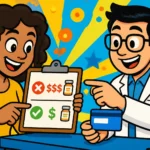
Prescription costs can become skyrocketing, overwhelming, and difficult to predict, especially for individuals and families without health insurance. A single brand-name medication may cost hundreds of dollars, while even common generics can create a serious financial burden when several prescriptions are needed each month.
Fortunately, uninsured consumers have practical ways to reduce pharmacy costs. The most effective approach usually combines generic alternatives, price comparisons, free prescription discount cards, pharmacy savings programs, and assistance resources.
This guide explains how to find cheap prescription drugs without insurance in 2026 while keeping the process safe, transparent, and easy to follow.
1. Ask the Prescriber About Lower-Cost Options
The first opportunity to save often comes before the prescription reaches the pharmacy.
Individuals and families should ask the prescriber:
- Is a generic version available?
- Is there a lower-cost medication in the same therapeutic class?
- Would a different strength or dosage schedule be appropriate?
- Can the prescription be written for a 90-day supply?
- Are manufacturer samples or assistance programs available?
Generic medications must meet federal standards for quality, strength, and effectiveness. They are often less expensive than brand-name versions, although prices vary by medication and pharmacy.
A prescriber should make the final decision about whether a generic or alternative is medically appropriate. Patients should never change a medication, skip doses, split tablets, or stop treatment solely to save money without speaking with a qualified healthcare professional.
2. Use a Free Prescription Savings Card
A free prescription savings card, also called an rx savings card or prescription discount card, can provide access to a lower negotiated cash price at participating pharmacies.
These cards are not health insurance. Instead, they may reduce the amount paid at the pharmacy counter. This can be especially useful for uninsured and underinsured individuals who do not have a prescription plan.
The YourDrugCard.com free prescription drug card is designed to help individuals and families reduce prescription costs without enrollment barriers.
Key Card Features
- Free For Everyone
- No Health Restrictions
- No Deductibles or Co-Pays for access to the card
- Card Pre-Activated
- Use Card Immediately
- Card Never Expires
- Accepted Nationwide at participating pharmacies
The card has no membership fee or health screening requirement. However, the prescription itself is not free, and the final price depends on the medication, dose, quantity, pharmacy, and current pricing agreements.
For more information, individuals can review YourDrugCard.com’s resources about free prescription drug cards and prescription drug cards.
3. Compare the Price Before Paying
Prescription prices can differ substantially between pharmacies. The pharmacy closest to a person’s home is not always the least expensive option.
Before filling a prescription, consumers should:
- Write down the exact drug name, strength, and quantity.
- Check the price at several nearby pharmacies.
- Compare the pharmacy’s regular cash price with a discount card price.
- Ask whether a 30-day or 90-day supply costs less.
- Confirm the final price before authorizing the prescription.
A prescription discount card may produce a lower price at one pharmacy but not another. There is no universal lowest price, and savings may change between refills.
Consumers can also use reputable price comparison tools, including:
The purpose of comparing options is not to create more confusion. It is to give the consumer a clear view of available cash prices before arriving at the pharmacy.
4. Tell the Pharmacy How the Prescription Will Be Paid
At the pharmacy counter, the patient should clearly state that the prescription will be paid for with a discount card or cash price, not insurance.
The pharmacy may need to process the card information through its system. Patients should:
- Present the physical card, digital card, or coupon information.
- Ask the pharmacy to run the prescription using the card.
- Confirm the total before paying.
- Ask whether the regular cash price is lower.
- Keep the receipt for future comparisons.
Most prescription discount cards cannot be combined with insurance, Medicare, Medicaid, or another discount card for the same transaction. The pharmacist can explain which available option produces the lower price.
If a pharmacy employee cannot locate the card or coupon, the patient can ask whether the pharmacy accepts that specific program and whether another participating location is available.
5. Check Generic Prescription Programs at Major Pharmacies
Some major pharmacies, grocery stores, and warehouse pharmacies maintain low-cost generic lists or savings programs. These programs may be less expensive than a discount card for certain medications.
Consumers should ask local pharmacies about:
- Low-cost generic lists
- 30-day and 90-day pricing
- Free or reduced-cost antibiotics
- Pharmacy membership programs
- Mail-order options
- Prices for commonly prescribed maintenance medications
A savings club may charge an annual or monthly fee, so individuals should calculate the total cost before joining. A program may make sense for someone taking several maintenance medications but not for a person filling one prescription occasionally.
Compare the complete cost: not just the advertised medication price. Include membership fees, shipping, minimum quantities, and refill requirements.
6. Consider Mail-Order and Nonprofit Pharmacies
For long-term medications, mail-order pharmacies can sometimes offer lower prices, particularly for 90-day supplies. Consumers should compare:
- Medication price
- Shipping charges
- Delivery time
- Refill requirements
- Pharmacist access
- Return and cancellation policies
Rx Outreach is a nonprofit mail-order pharmacy that provides low-cost medications to eligible individuals. NeedyMeds also provides information about patient assistance programs, coupons, rebates, savings cards, and affordable clinics.
Online pharmacy safety is essential. The FDA’s guidance on buying medicines over the internet recommends checking that an online pharmacy is properly licensed and requires a prescription when one is legally required.
Consumers should be cautious of websites that:
- Sell prescription medication without asking for a prescription
- Offer prices that seem impossibly low
- Do not provide a physical address or phone number
- Do not identify a licensed pharmacist
- Sell medications with unclear labeling or packaging
7. Search for Manufacturer Assistance
Brand-name medications can remain expensive even after using a discount card. In that situation, the manufacturer may offer a savings card or patient assistance program.
Manufacturer programs may include:
- Copay savings cards
- Free medication for qualifying patients
- Temporary medication supplies
- Bridge programs
- Assistance for specific diseases or income levels
Patients can search the medication manufacturer’s official website or ask the prescriber’s office for help. Nonprofit resources such as NeedyMeds’ patient assistance program directory can also help identify programs.
Eligibility rules differ. Some programs are limited to uninsured patients, while others have income requirements or exclude people enrolled in certain government programs. Applicants should read the terms carefully and verify eligibility directly with the program administrator.
8. Look Into Community and Government Resources
Individuals struggling with prescription costs may also qualify for help through community health centers, charitable organizations, state programs, or disease-specific foundations.
Useful steps include:
- Contacting a local community health center.
- Asking whether sliding-fee services are available.
- Asking about reduced-cost pharmacy partnerships.
- Checking state or county prescription assistance programs.
- Contacting a disease-specific nonprofit organization.
- Speaking with a social worker or patient advocate.
The Patient Advocate Foundation provides information for people dealing with medication affordability challenges while uninsured.
Individuals who recently lost coverage should also review their options through HealthCare.gov. Insurance may not be the immediate solution for every household, but coverage can provide broader protection for prescriptions, doctor visits, and unexpected medical needs.
9. Follow This Simple Prescription-Savings Checklist
When receiving a new prescription, the following process can reduce unnecessary spending:
- Ask for a generic or clinically appropriate lower-cost alternative.
- Write down the exact medication, dose, and quantity.
- Check a free prescription savings card.
- Compare prices at several major pharmacies.
- Check whether a 90-day supply costs less.
- Ask about manufacturer assistance for brand-name drugs.
- Confirm the final price before paying.
- Recheck the price at each refill because pharmacy prices change.
- Use only licensed pharmacies and legitimate assistance programs.
- Speak with a doctor or pharmacist before changing treatment.

Important Safety and Transparency Notes
A discount card is a cost-saving tool, not insurance. It does not replace medical coverage, guarantee a specific price, or determine whether a medication is appropriate.
Savings depend on several factors, including:
- Medication and manufacturer
- Dosage and quantity
- Pharmacy location
- Current network pricing
- Generic availability
- Local and federal program rules
A free card can be used without health restrictions, deductibles, or expiration concerns, but the pharmacy must still process the prescription and the patient must pay the applicable discounted price.
Patients should also keep their prescriber and pharmacist informed about all medications they take. This helps the healthcare team identify possible interactions, duplicate therapies, allergies, or dosing concerns.
The Practical Path to Lower Prescription Costs
Finding cheap prescription drugs without insurance requires comparison, but the process does not need to be daunting. A generic alternative, a free rx savings card, a major-pharmacy program, or a manufacturer assistance application may significantly reduce the final cost.
The most practical starting point is simple: ask about lower-cost treatment options, compare the cash price, and use a free prescription discount card at a participating pharmacy. YourDrugCard.com makes that first step accessible with a pre-activated card that never expires and has no health restrictions.
Consumers should compare every available option and confirm the price before paying. When used responsibly, prescription savings cards offer a straightforward and cost-effective way for uninsured and underinsured individuals and families to make essential medications more affordable.

This article is for general educational purposes only. YourDrugCard.com is not a healthcare provider, insurance agency, or pharmacy and does not provide medical advice, diagnosis, or treatment. Medication prices, pharmacy participation, eligibility requirements, and program terms may change. Individuals should consult a qualified healthcare professional or pharmacist for personalized guidance.
Can’t Afford the Doctor? How Discount Medical Plans Save You Money on Dental, Vision & Chiropractic Care

Medical costs are placing an increasingly heavy burden on individuals and families. Routine dental visits, eye exams, chiropractic appointments, and other essential services can become difficult to afford, especially for people without insurance or those facing high deductibles.
Skipping care may seem like the only option when prices are skyrocketing. However, delaying preventive services can allow small health concerns to become more serious: and more expensive.
A Discount Medical Plan Organization (DMPO) plan may offer a practical way to reduce the cash price of eligible healthcare services. These membership-based plans negotiate discounted rates with participating providers, helping members pay less when they receive care.
What Is a Discount Medical Plan?
A discount medical plan is not health insurance. It does not pay medical claims, reimburse members, or provide protection from large hospital bills.
Instead, it works through a provider network:
- An individual or family enrolls in a membership plan.
- The plan provides access to participating doctors, dentists, vision providers, chiropractors, and other healthcare professionals.
- The member presents the plan card or membership information at a participating provider.
- The provider applies the negotiated discount.
- The member pays the discounted amount directly at the time of service.
This structure can be useful for people who need affordable access to routine care but do not have traditional coverage for every service.
Learn more about YourDrugCard.com’s Discount Medical Plan Organization services.

Why Dental, Vision, and Chiropractic Care Can Be Hard to Afford
Many health insurance policies provide limited or no coverage for routine dental and vision services. Chiropractic care may also have visit limits, exclusions, or high out-of-pocket costs.
Individuals and families may face:
- Exorbitant dental bills for fillings, crowns, cleanings, or other procedures
- High prices for eye exams, glasses, and contact lenses
- Repeated chiropractic fees for people who need ongoing visits
- Deductibles that must be met before insurance contributes
- Annual limits on dental or vision benefits
- Waiting periods before certain services become available
- Unexpected provider charges when a preferred professional is outside a network
For uninsured and underinsured households, these costs can be overwhelming. A discount plan does not eliminate the bill, but it may lower the amount the member must pay for eligible services.
How Discount Medical Plans Can Save Money
1. Lower Prices for Routine Dental Care
Dental care is one of the clearest areas where discount plans may help. Participating dentists agree to accept negotiated rates for covered services.
Depending on the provider, location, and procedure, members may receive reduced prices for services such as:
- Exams and routine cleanings
- X-rays
- Fillings
- Extractions
- Crowns
- Dentures
- Other listed dental procedures
The exact discount varies. Members should review the plan’s fee schedule and confirm the price directly with the dental office before treatment.
A discount plan can be especially helpful for individuals who do not have dental insurance, are between insurance plans, or have already reached an annual dental benefit limit.
2. Savings on Vision Services and Products
Routine vision care can also create significant out-of-pocket expenses. An eye exam, prescription glasses, frames, lenses, and contact lenses may all add to the cost.
A participating vision provider may offer negotiated prices for:
- Eye examinations
- Eyeglasses
- Frames and lenses
- Contact lenses
- Other eligible vision products
For someone who needs new glasses every year or two, even a moderate reduction may help offset the membership cost.
Members should verify participating optical providers and current prices before scheduling an appointment. A discount applies only when the provider participates in the specific plan and the service is included.
3. Reduced Costs for Chiropractic Visits
Chiropractic care often involves multiple visits, which can make standard cash prices difficult to manage. Discount medical plans may provide lower rates per visit through participating chiropractors.
This may help individuals who:
- Pay for chiropractic care entirely out of pocket
- Have limited chiropractic benefits through insurance
- Need several routine appointments
- Want to compare a negotiated rate with a provider’s regular cash price
A member still pays the provider directly. There is no claim submission or later reimbursement. The savings are applied at the time of service when plan requirements are met.
A Family Plan Can Make Routine Care More Predictable
Some DMPO plans are structured for individuals and families. At YourDrugCard.com, plans start at $9.95 per month for the entire family, subject to current plan terms and availability.
Family enrollment may be useful when several household members need services during the year. For example, one person may need an eye exam, another may need dental care, and a third may benefit from chiropractic visits.
The basic calculation is straightforward:
Potential savings from eligible services – membership cost = possible net savings
The plan is more likely to be cost-effective when household savings exceed the membership fee.

How to Determine Whether a Plan Is Worth the Cost
Before enrolling, individuals and families should take a careful, numbers-based approach.
Step 1: List Expected Healthcare Needs
Consider services likely to be needed during the next 12 months:
- Two dental cleanings
- A filling or other planned dental procedure
- One or more eye exams
- New glasses or contacts
- Several chiropractic visits
- Doctor visits or other eligible services
Step 2: Confirm Participating Providers
Use the plan’s provider directory before making a payment. Then call the provider directly and ask:
- Does the office currently accept the plan?
- What is the discounted price for the specific service?
- Is payment required in full at the appointment?
- Are there additional office, facility, or materials fees?
Find a participating healthcare provider.
Step 3: Compare Regular and Discounted Prices
Ask each provider for both the standard cash price and the plan price. Savings can vary by location, provider, procedure, and plan.
A discount percentage alone does not tell the whole story. A lower percentage applied to an already competitive cash price may be better than a larger percentage applied to an inflated fee.
Step 4: Review the Membership Terms
Before joining, individuals should check:
- Monthly or annual membership fees
- Cancellation procedures
- Refund policies
- Provider network rules
- Eligible services
- Any exclusions or limitations
- Whether prices can change
- Customer service contact information
The National Association of Insurance Commissioners advises consumers to be careful when purchasing discount health cards, particularly because these products are not insurance and may have fewer consumer protections than insurance policies.
Important: A Discount Plan Is Not a Replacement for Insurance
A discount medical plan can reduce the cost of participating services, but it does not provide comprehensive medical coverage.
Members remain responsible for the discounted bill. The plan generally does not cover:
- Hospitalization
- Emergency surgery
- Major illnesses
- Catastrophic medical expenses
- Bills from nonparticipating providers
There is also typically no deductible tracking and no annual out-of-pocket maximum because the plan does not function like insurance.
The Federal Trade Commission explains that medical discount plans are not health insurance and warns consumers to research a plan carefully before paying. Individuals should be cautious about high-pressure sales tactics, promises that seem unrealistic, or companies that refuse to provide written information and provider details.
Discount Medical Plans and Prescription Savings Can Work Together
Healthcare expenses do not stop with office visits. Prescription costs can also strain household budgets.
YourDrugCard.com offers a free prescription discount card that is pre-activated, never expires, and is accepted at participating pharmacies nationwide. The card has:
- No membership fee
- No health restrictions
- No paperwork or claims to file
- Immediate use
- Nationwide pharmacy acceptance
The prescription card and a DMPO plan serve different purposes. The card helps reduce eligible prescription prices, while the medical plan provides negotiated discounts on participating healthcare services.
Individuals can learn more through the free prescription drug card information page.
Who May Benefit Most?
A discount medical plan may be worth considering for individuals and families who:
- Are uninsured or underinsured
- Need routine dental, vision, or chiropractic services
- Face high deductibles or limited benefits
- Can use participating providers
- Can pay the discounted amount at the time of service
- Have estimated savings greater than the membership fee
People who rarely use healthcare services may not save enough to justify a monthly fee. Those expecting major medical expenses should also explore comprehensive insurance options, Medicaid, Medicare, Marketplace coverage, community health centers, and other available resources.
Final Takeaway
Skyrocketing healthcare costs can make routine care feel out of reach. Discount medical plans may reduce the cost of dental, vision, chiropractic, and other eligible services by providing access to negotiated provider rates.
They are most practical when members verify the network, compare real prices, understand the terms, and use enough covered services to exceed the membership cost. However, they are not insurance and do not protect against catastrophic medical bills.
For uninsured and underinsured households, a DMPO plan can be a straightforward, cost-conscious tool for routine care: especially when combined with a free prescription discount card. The best choice depends on each household’s healthcare needs, provider access, and expected annual savings.
This article is for general informational purposes only. Discount medical plan availability, provider participation, fees, discounts, and terms may vary by location and may change without notice. YourDrugCard.com is not a healthcare provider, insurance agency, or pharmacy. Individuals should review current plan terms and consult qualified healthcare or insurance professionals for personalized guidance.
Dental Discount Plans vs. Dental Insurance: Which Saves You More in 2026?
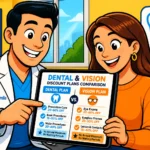
For millions of individuals and families across the United States, maintaining routine dental care has transformed from a simple health maintenance task into a daunting financial hurdle. With skyrocketing out-of-pocket expenses and confusing policy fine print, finding affordable care can feel overwhelming. When dental emergencies arise or routine checkups are neglected due to cost, the long-term impact on overall health is severe.
Choosing the right way to pay for your dental care is more critical than ever. As households navigate shifting healthcare economics, the debate between traditional dental insurance and alternative options like dental and vision discount plans is front and center. Understanding how these models operate will empower you to make an informed choice that protects both your smile and your bank account.
The Hidden Traps of Traditional Dental Insurance

For decades, traditional dental insurance was viewed as the gold standard for covering oral health needs. However, for many uninsured or underinsured adults, self-paid insurance policies come with exorbitant monthly premiums that often outweigh the actual benefits received.
When individuals and families purchase private dental insurance, they frequently encounter a maze of restrictive rules designed to limit payouts:
- Crippling Waiting Periods: Needing a crown or root canal does not mean insurance will cover it right away. Policies routinely enforce six to twelve-month waiting periods for major restorative work, leaving patients stranded when pain strikes.
- Frustrating Annual Maximums: Most traditional plans cap their annual spending at $1,000 to $1,500 per year. Once that threshold is reached, every dollar of additional care comes entirely out of pocket.
- Complex Deductibles and Copays: Navigating tiered coinsurance percentages: where preventive care is covered, but basic and major procedures require steep co-pays: creates endless administrative headaches.
- Endless Claims Paperwork: Dealing with insurance providers often means filing confusing claim forms, fighting denied treatments, and waiting weeks for reimbursement.
For individuals paying out of pocket, these systemic barriers turn a necessary dental visit into an administrative and financial burden.
Enter the Transparent Alternative: What is a Discount Medical Plan Organization (DMPO)?
To combat the rising costs and frustrating red tape of traditional insurance, many households are turning to a Discount Medical Plan Organization (DMPO). Unlike insurance, which functions as a risk-pooling indemnity product, a DMPO is a membership-based savings program designed to slash the cost of care at the point of service.
Through a structured network of participating healthcare professionals, members gain access to negotiated, discounted fees on a wide range of services. Companies like YourDrugCard.com have championed this model, offering accessible solutions that prioritize absolute transparency, affordability, and ease of use.
By eliminating the middleman of insurance claims processing, discount plans pass direct savings onto the consumer. There are no complicated formulas or hidden exclusions; you simply present your membership card at a participating provider and pay the reduced rate directly.
Unmatched Benefits of Dental and Vision Discount Plans

When evaluating dental and vision discount plans, the operational differences compared to traditional insurance are stark. These programs are specifically engineered to remove the barriers that keep people from visiting the dentist or eye doctor.
Here are the defining features that make discount plans a compelling choice for modern households:
- Use Card Immediately: There is zero waiting around for coverage to kick in. Once you enroll, your savings start on day one.
- Card Never Expires: Membership remains active without complicated renewal hoops or sudden policy cancellations, providing continuous peace of mind.
- No Waiting Restrictions: Whether you need a routine cleaning tomorrow or a complex restorative procedure next week, discounts apply instantly to all eligible services.
- No Annual Maximums: Unlike insurance plans that cut you off after $1,500 of care, discount plans offer unlimited annual savings. You enjoy reduced rates all year long, no matter how much care you require.
- No Deductibles: You never have to worry about meeting a spending threshold before your savings begin. Every visit is calculated at the pre-negotiated discount rate.
- No Claims Paperwork: Say goodbye to filing claims, tracking reimbursement checks, or arguing over denied coverage. The transaction happens seamlessly at the dental office.
These family-friendly features ensure that everyone: from children needing orthodontic checkups to seniors managing extensive dental work: can access care without financial friction.
Head-to-Head: Dental Insurance vs. Dental Discount Plans in 2026

To determine which option truly saves you more, it helps to examine a direct comparison of costs, structures, and operational rules in today's healthcare landscape.
| Feature | Dental Discount / Savings Plan | Individual Dental Insurance (Self-Paid) |
|---|---|---|
| Annual Cost | Low membership fee (often $80–$200/year)[1] | Higher monthly premiums ($240–$600+/year) |
| Waiting Periods | None – discounts apply on day one[2] | Commonly 6 to 12 months for major work[2] |
| Annual Maximums | None – unlimited savings all year[3] | Typically capped at $1,000–$1,500/year[4] |
| Deductibles | Zero deductibles required | Standard deductibles apply per year |
| Claims & Red Tape | None – no paperwork or claim forms | Extensive claims processing and approvals |
| Cosmetic Procedures | Frequently eligible for discounted rates[2] | Almost universally excluded from coverage |
As shown in the breakdown, membership fees for discount plans are significantly lower than individual insurance premiums. While insurance may cover a larger percentage of routine preventive care if utilized perfectly, discount plans excel by providing immediate, unlimited price reductions on major procedures and cosmetic treatments that insurance frequently ignores.
Where Each Option Shines: Making the Right Choice
Choosing the right path depends entirely on your household's specific dental needs and financial situation:
- When Discount Plans Win: If you are uninsured, self-employed, or facing immediate dental needs like crowns, root canals, or cosmetic enhancements, a discount plan is often the most cost-effective route. By avoiding steep monthly premiums and bypassing waiting periods, families can save hundreds of dollars on major procedures. Furthermore, in years where multiple large treatments are required, the absence of annual maximums ensures your savings do not suddenly stop.
- When Traditional Insurance Wins: If your employer heavily subsidizes your dental insurance premium, or if your household consists entirely of individuals who strictly use routine preventive care (two checkups and cleanings a year) and nothing else, employer-backed insurance can sometimes yield a lower net cost.
For a comprehensive overview of how medical and dental discount programs operate, you can review our legal notice and AmeriPlan services disclaimer.
Conclusion: Securing Your Family's Health with Confidence
Navigating the high cost of healthcare does not have to be an overwhelming ordeal. While traditional insurance works well in specific employer-subsidized scenarios, it often traps self-pay individuals in a cycle of high premiums, restrictive waiting periods, and frustrating coverage caps.
For individuals and families looking for a transparent, flexible, and budget-friendly alternative, a robust discount medical plan organization program offers unmatched practicality. By combining instant savings, zero deductibles, no annual maximums, and a complete absence of paperwork, dental discount plans ensure that quality care remains within reach. Evaluate your family's projected dental needs for the year, weigh your out-of-pocket exposure, and choose the path that delivers true financial peace of mind.

Prescription Discount Card vs. Insurance: Which Actually Saves You More in 2026?
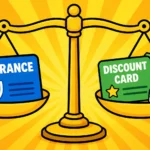
Navigating the landscape of American healthcare in 2026 has become increasingly daunting. Families are currently facing a dual challenge: skyrocketing medication costs and a healthcare system that often feels more like a maze than a safety net. With over 350 major drug price hikes recorded in the first half of this year alone, it is no surprise that nearly 60% of adults report being deeply worried about their ability to afford essential prescriptions.
For many, the standard response is to reach for an insurance card. However, a growing number of savvy consumers are discovering that their insurance copay might actually be the more expensive option. Choosing between a prescription discount card and traditional insurance is no longer a simple decision; it requires a strategic understanding of how pharmacy pricing truly functions.
The Mechanics of Pharmacy Pricing: Why Costs Vary
To understand why a "discount" could beat "coverage," one must look at how pharmacies set their prices. Every medication has three distinct price points:
- The Cash Price: This is the "sticker price" the pharmacy charges if you have no assistance. It is often exorbitant and rarely reflects the actual cost of the drug.
- The Insurance Negotiated Rate: This is the price your insurance provider has agreed to pay the pharmacy. Your copay is usually a fixed portion of this rate, or a percentage (coinsurance).
- The Discount Card Price: Programs like YourDrugCard.com leverage the collective buying power of millions of users to negotiate separate, lower cash prices directly with pharmacy chains.
Because discount cards operate outside the traditional insurance bureaucracy, they can often secure a price for generic medications that is significantly lower than an insurance company’s set copay.
When the Prescription Discount Card Wins

There are several scenarios where using a prescription discount card is the clear financial victor over insurance. If you find yourself in any of the following categories, you are likely overpaying by using your insurance card:
- High-Deductible Health Plans (HDHPs): Many modern plans require individuals to pay thousands of dollars out of pocket before coverage kicks in. If you are in this "deductible phase," your insurance might "negotiate" a price of $100 for a generic drug. A discount card could potentially provide that same drug for $20.
- The Medicare "Donut Hole": For seniors, the gap in coverage known as the donut hole can lead to staggering out-of-pocket costs. A discount card provides a vital safety net during this period.
- Non-Covered Medications: Insurance formularies change constantly. If your plan suddenly stops covering a specific medication, a discount card is often the only way to avoid paying the full retail cash price.
- High Generic Copays: Some insurance plans have a minimum copay (e.g., $15 or $20). If the actual cost of the generic drug is only $8, the insurance company keeps the difference. A discount card allows you to pay the true, lower price.
Real-World Math: $150 vs. $45
To put this into perspective, let’s look at a common generic medication used to treat high cholesterol. In 2026, a patient with a mid-tier insurance plan might be asked to pay a $150 coinsurance fee because they haven't met their deductible.
By simply presenting a free prescription discount card, that same patient could see the price drop to $45.

Comparison Table: Generic Statins (Monthly Supply)
| Pricing Method | Typical Cost in 2026 | Counts Toward Deductible? |
|---|---|---|
| Retail Cash Price | $210.00 | No |
| Insurance Copay (Tier 3) | $150.00 | Yes |
| YourDrugCard.com Price | $45.00 | No |
The trade-off is clear: while the insurance payment counts toward your yearly deductible, the immediate burden is three times higher. For families struggling with monthly cash flow, the $105 in instant savings is often the more practical choice.
When Insurance is Still the Better Option

Despite the power of discount cards, insurance remains a critical tool for catastrophic coverage. You should prioritize using your insurance card in these specific instances:
- Expensive Specialty Drugs: For biologics or complex cancer treatments that cost thousands per month, insurance (especially after a deductible is met) is the only way to cap your costs. No discount card can compete with a $0 copay once you hit your out-of-pocket maximum.
- Hitting the 2026 Medicare Cap: In 2026, Medicare Part D out-of-pocket drug costs are capped at $2,100. If you take several expensive medications, it may be wiser to pay the higher insurance prices early in the year to reach that cap quickly. Once reached, your medications are essentially free for the remainder of the year.
- Low Copay Plans: If your plan offers "Tier 1" generics for $0 or $5, you are already getting the best possible deal.
The Smart Strategy: A Tool for Every Wallet
The most effective way to manage healthcare costs is not to choose one or the other, but to carry both. A prescription discount card is a zero-risk tool because it costs nothing to carry and has no health restrictions.
At YourDrugCard.com, we provide a pre-activated card that is accepted at major pharmacies nationwide. It never expires and requires no paperwork or claims to file. It serves as your "Plan B" when insurance fails to provide an affordable price.
Furthermore, for those who are completely uninsured or find themselves burdened by the high cost of doctor visits, we offer Discount Medical Plan Organization (DMPO) services. For just $9.95 a month, an entire family can access negotiated discounts on:
- Doctor and Specialist Visits
- Dental and Vision Care
- Chiropractic Services
Summary: How to Decide at the Pharmacy Counter
When you arrive at the pharmacy counter in 2026, follow this simple three-step process to ensure you aren't being overcharged:
- Ask for the Insurance Price: Find out what your copay is.
- Ask for the "YourDrugCard" Price: Have the pharmacist run our card to see the discounted cash price.
- Compare and Choose: If the discount card saves you more money today, use it. If you are close to hitting your insurance deductible for the year, you might choose to pay the higher insurance price to trigger your full coverage sooner.
In an era of unpredictable healthcare shifts, the goal is transparency. By keeping a free prescription drug card in your wallet, you ensure that you always have the final say over what you pay for your health.
5 Ways to Save on Prescriptions Without Insurance in 2026 (Easy Guide for Families)

The landscape of American healthcare is currently facing a significant crisis. For many individuals and families, the simple act of filling a necessary medication has become a source of extreme financial stress. As we move through 2026, the data confirms what most households already feel: the cost of staying healthy is reaching an exorbitant level.
Recent reports indicate that approximately 60% of adults in the United States are deeply worried about their ability to afford essential medications. This concern is not unfounded. In the first half of 2026 alone, pharmaceutical manufacturers have implemented price hikes on more than 350 brand-name drugs. With list prices climbing well above the rate of general inflation, those who are uninsured or underinsured find themselves struggling to balance their medical needs with basic living expenses.
When families are burdened by these rising costs, they often feel forced to make dangerous choices, such as skipping doses or leaving prescriptions unfilled at the pharmacy counter. However, there are proven strategies to combat these skyrocketing prices. This guide outlines five practical, effective ways to secure cheap prescription drugs without insurance and regain control over your family's healthcare budget.
1. Utilize a Free Prescription Discount Card
One of the most immediate and effective ways to lower your out-of-pocket costs is by using a prescription discount card. These cards function as a powerful tool for anyone paying the "cash price" at a pharmacy. Because pharmacy pricing can be opaque and inconsistent, a discount card provides a pre-negotiated rate that is often significantly lower than the standard retail price.
At YourDrugCard.com, the mission is to provide transparency and accessibility to these savings. The free prescription savings card offered is a vital resource for families looking to cut costs without the headache of complex paperwork or eligibility requirements.

Key Benefits of YourDrugCard:
- Use Card Immediately: There is no waiting period; simply present the card to your pharmacist to see instant savings.
- Card Never Expires: Once you have the card, it remains a permanent part of your healthcare toolkit.
- No Health Restrictions: Everyone is eligible, regardless of pre-existing conditions or current health status.
- No Fees or Exclusions: There are no hidden costs or "gotchas": just straightforward savings on thousands of medications.
- Accepted Nationwide: The card is honored at major pharmacy chains and independent local drugstores across the country.
By presenting this free prescription drug card at the point of sale, families can often save up to 80% on their medications, effectively bypassing the daunting retail markups that have become so common in 2026.
2. Request Generic or Therapeutic Alternatives
When a physician writes a prescription for a brand-name medication, the cost can be overwhelming. In 2026, many of the 350+ price hikes have focused specifically on these high-profile brand names. However, in many cases, a more affordable alternative exists that is just as effective.
Generics are required by the FDA to have the same active ingredients, strength, dosage form, and route of administration as their brand-name counterparts. Switching to a generic can reduce the cost of a prescription by hundreds of dollars per month.

How to Advocate for Alternatives:
- Ask Your Doctor: Before leaving the exam room, ask, "Is there a generic version available for this medication?"
- Inquire About Therapeutic Alternatives: If no direct generic exists, ask if there is a different drug in the same class (a therapeutic alternative) that is off-patent and less expensive.
- Consult Your Pharmacist: Pharmacists are experts in drug pricing and chemistry. They can often suggest a generic substitute that your doctor can then approve.
Choosing generics is a cornerstone of thrifty health choices that can save a family thousands of dollars annually.
3. Comparison Shop Across Local Pharmacies
Many individuals assume that the price of a drug is the same regardless of which pharmacy they visit. This is a common misconception. In reality, cash prices vary wildly from one zip code to the next, and even between two pharmacies on the same street.
Large "big-box" retailers, grocery store pharmacies, and small independent shops all use different pricing models and have different contracts with suppliers. To find the cheap prescription drugs without insurance, a small amount of research is required.
Simple Steps for Comparison Shopping:
- Call Ahead: Do not wait until you are at the pharmacy window. Call 3–4 local pharmacies and ask for their "cash price" for your specific dosage and quantity.
- Check Online Tools: Use pricing tools to see which pharmacies in your area have the lowest negotiated rates for your medication.
- Consider 90-Day Supplies: Often, purchasing a 90-day supply instead of a 30-day supply can lower the price per pill significantly.
4. Investigate Patient Assistance Programs (PAPs)
For families struggling with the cost of high-priced specialty or maintenance medications that do not yet have generic versions, Patient Assistance Programs (PAPs) can be a literal lifesaver. These programs are typically funded by pharmaceutical manufacturers to help patients who meet certain income criteria.
While these programs require an application process and proof of financial need, the rewards are substantial. Many participants receive their medications for a very low co-pay or even for free.
Tips for Applying to PAPs:
- Visit the Manufacturer’s Website: Look for a "Patient Support" or "Cost Support" link on the official website of the drug you are taking.
- Ask Your Clinic: Many community health centers have social workers or advocates who specialize in helping patients fill out these applications.
- Gather Documentation: Be prepared to provide tax returns or pay stubs to prove your income eligibility.
5. Join a Discount Medical Plan Organization (DMPO)
While a prescription card focuses on the pharmacy, a Discount Medical Plan Organization (DMPO) addresses the broader spectrum of healthcare costs. For families who are uninsured or have high-deductible plans, the cost of doctor visits, dental cleanings, and eye exams can be just as burdensome as the prescriptions themselves.
A DMPO is not insurance, but rather a membership that grants you access to pre-negotiated, deeply discounted rates at a network of healthcare providers.

At YourDrugCard.com, the DMPO services are designed to be both comprehensive and affordable. For just $9.95 a month, an entire family can access savings on:
- Doctor Visits: Significant discounts on primary care and specialist consultations.
- Dental Care: Savings on routine cleanings, X-rays, and major procedures.
- Vision Services: Lower costs for eye exams, frames, and lenses.
- Chiropractic Care: Affordable access to holistic health services.
This approach provides a "safety net" for the family budget, ensuring that a sudden toothache or the need for new glasses doesn't lead to a financial catastrophe. There are no claims to file and no paperwork to deal with; you simply pay the discounted rate at the time of service.
Conclusion: Taking Control of Your Health Costs
The reality of 2026 is that healthcare costs are continuing to rise, but individuals and families do not have to be victims of these skyrocketing trends. By combining the immediate savings of a free prescription savings card with the broad protection of a DMPO plan, you can significantly reduce the financial burden on your household.

The path to affordable care starts with proactive choices. Whether it is switching to generics, comparison shopping, or joining a discount plan, every step you take brings you closer to a more sustainable and stress-free lifestyle. For those looking for an immediate solution, visiting YourDrugCard.com to secure your free card and explore the $9.95 family plan is the most effective way to start saving today.
Healthcare should be about wellness, not about worrying how to pay for it. With the right tools and information, you can ensure your family gets the care they need at a price you can afford.
These sources are known for their reliable and up-to-date medical information, authored by healthcare professionals.

Understanding the Importance of Medical Advice: A Comprehensive Overview
In the ever-evolving landscape of healthcare, the value of medical advice cannot be overstated. Whether it arises from a doctor’s consultation, a telehealth appointment, or a discussion with a pharmacist, medical advice plays a crucial role in guiding patients through their health journeys. This article explores the significance of seeking medical advice, the types of advice available, and tips for making the most out of your healthcare interactions.
What Is Medical Advice?
Medical advice encompasses guidance provided by healthcare professionals to patients regarding the diagnosis, treatment, and management of health conditions. It can range from simple lifestyle recommendations to complex treatment plans for chronic diseases. The goal is to empower patients with knowledge and strategies for achieving better health outcomes.
The Importance of Seeking Medical Advice
-
Early Detection: Regular consultations can lead to early detection of conditions that may have serious implications if left untreated. Diseases like diabetes, hypertension, and cancers can often be managed more effectively when identified early.
-
Personalized Guidance: Every individual is unique, and medical advice can be tailored to fit personal health needs, taking into consideration factors such as age, mental health, family history, and lifestyle choices.
-
Preventive Health: Medical advice often includes recommendations for preventive measures, such as vaccinations, screenings, and healthy lifestyle changes, which are essential to long-term health.
-
Education and Empowerment: Understanding one’s health conditions and treatment options empowers patients to make informed decisions regarding their health care.
- Managing Chronic Conditions: For individuals with chronic illnesses, ongoing medical advice is crucial for managing symptoms and minimizing complications.
Types of Medical Advice
-
Preventive Care: This includes recommendations for screenings, immunizations, and lifestyle changes to prevent health issues.
-
Diagnostic Advice: Health professionals provide diagnostic opinions based on symptoms and examinations, which may include tests and imaging.
-
Treatment Plans: Healthcare providers offer detailed plans for managing health conditions, including medication regimens, therapies, and surgery options.
-
Nutritional and Lifestyle Counseling: Advice on diet, exercise, and mental health strategies can significantly impact overall well-being.
- Medication Management: Pharmacists and healthcare providers can help ensure that patients understand their medications, dosages, and potential side effects.
Tips for Receiving Medical Advice
-
Be Prepared: Write down questions and symptoms before appointments. A clear understanding of what you’re experiencing makes it easier for healthcare providers to help.
-
Communicate Openly: Be honest about your medical history, lifestyle, and any concerns you have. Open communication fosters better understanding and tailored advice.
-
Ask Questions: Don’t hesitate to ask for clarification on anything that you don’t understand. Knowledge is empowering.
-
Take Notes: Documenting what your healthcare provider shares ensures you have a reference to return to later.
- Follow Up: If you have additional questions after your visit or if your symptoms change, don’t hesitate to reach out again.
The Role of Technology in Medical Advice
In recent years, technology has transformed how patients receive medical advice. Telehealth services offer convenience and accessibility, allowing individuals to consult healthcare providers from the comfort of their homes. Online resources, mobile health apps, and patient portals provide additional avenues for managing health, scheduling appointments, and accessing medical records.
Conclusion
Navigating the complexities of healthcare can be challenging, but seeking medical advice is an essential step in maintaining and improving health. By understanding its importance, types, and how to effectively engage with healthcare providers, patients can make informed decisions that lead to better health outcomes. Remember, when it comes to your health, don’t hesitate to seek advice—your future self will thank you.
iCliniq: Offers health articles across various medical specialties, such as internal medicine, obstetrics & gynecology, dermatology, and neurology. (icliniq.com)

Understanding Medical Advice: Importance, Challenges, and Best Practices
In today’s fast-paced world, having reliable medical advice is more essential than ever. Whether from a healthcare professional, digital platforms, or community resources, the guidance we receive can significantly impact our health outcomes. However, navigating the landscape of medical advice comes with challenges. Let’s explore the importance of medical advice, the common pitfalls associated with it, and best practices for seeking and applying this guidance.
The Importance of Medical Advice
-
Preventive Care:
Medical advice plays a crucial role in preventive care. Regular check-ups and screenings can detect potential health issues before they become serious problems. Health professionals recommend lifestyle changes, vaccinations, and screenings tailored to individual needs, contributing to overall well-being. -
Managing Chronic Conditions:
For individuals with chronic illnesses like diabetes, hypertension, or asthma, professional medical advice is vital. Proper management often requires a comprehensive approach involving medication, lifestyle alterations, and regular monitoring. Tailored advice can help patients live healthier lives and avoid complications. - Informed Decision-Making:
Patients equipped with reliable medical advice can make informed decisions regarding their health. This includes understanding treatment options, potential side effects, and the implications of refusing treatment. Knowledge empowers patients, fostering a partnership in their healthcare journey.
Challenges in Navigating Medical Advice
-
Information Overload:
With vast amounts of medical information available online, patients often face confusion. Misinformation can spread quickly, leading individuals to make health decisions based on unreliable sources. Differentiating between credible and non-credible information is crucial. -
Provider Communication:
Effective communication between healthcare providers and patients can sometimes falter. Complex medical terminology, time constraints, and differing expectations can lead to misunderstandings. Patients may leave a consultation feeling uncertain about their diagnosis or treatment plan. - Cultural and Personal Beliefs:
Cultural backgrounds, personal beliefs, and past experiences can influence how individuals perceive and accept medical advice. What works for one person may not resonate with another, leading to disengagement or non-adherence to prescribed treatments.
Best Practices for Seeking and Applying Medical Advice
-
Consult Qualified Professionals:
Always seek advice from licensed healthcare providers. Whether it’s a primary care physician, specialist, or registered nurse, consulting professionals ensures that the guidance is based on evidence and tailored to your individual needs. -
Ask Questions:
Engage in your healthcare discussions actively. Don’t hesitate to ask questions if something is unclear. Understanding your condition, treatment plan, and the reasoning behind medical recommendations empowers you to make informed choices. -
Verify Online Information:
When researching online, use credible sources such as medical journals, government health websites, and established health organizations. Verify the information and cross-reference it with advice from your healthcare provider. -
Listen to Your Body:
While medical advice is crucial, ultimately, you know your body best. Pay attention to your physical and emotional well-being and communicate any changes to your healthcare provider. This collaboration can lead to better health outcomes. - Follow Up:
After receiving medical advice, follow up with your healthcare provider as necessary. Whether it’s for monitoring progress or discussing new symptoms, staying engaged in your healthcare journey is key.
Conclusion
Medical advice is a foundational element of healthcare that can lead to improved health outcomes, preventive care, and informed decision-making. As we navigate an increasingly complex landscape filled with information, it is essential to approach medical guidance with a discerning eye. By prioritizing consultation with qualified professionals, fostering open communication, and being proactive in our health journey, we can maximize the benefits of medical advice and achieve optimal health.
Medical News Today: Provides a wide range of health and medical information, including expert Q&A sessions, diet and nutrition advice, and discussions on health misinformation. (medicalnewstoday.com)

Understanding Medical Advice: What You Need to Know
Introduction
Medical advice is a critical component of healthcare that helps individuals make informed decisions about their health. However, with the vast amount of information available today—be it from healthcare professionals, the internet, or social media—it can be challenging to discern what constitutes reliable medical advice. This article aims to clarify the importance of seeking accurate medical guidance and how to navigate this essential aspect of healthcare.
What is Medical Advice?
Medical advice refers to recommendations or guidance provided by healthcare professionals regarding the diagnosis, treatment, and prevention of health issues. This advice can come in various forms, including:
- Clinical consultations: Direct interactions with doctors, nurses, and specialists.
- Telemedicine: Virtual appointments that allow for remote healthcare services.
- Educational resources: Brochures, websites, and articles that provide information about health conditions.
The Importance of Professional Guidance
While general health information can be beneficial, personalized medical advice tailored to an individual’s specific circumstances is crucial for effective treatment. Here are several reasons why professional medical advice is essential:
- Accurate Diagnosis: Healthcare professionals are trained to diagnose conditions based on symptoms, medical history, and clinical tests.
- Tailored Treatment Plans: Each patient has unique health needs, and a personalized treatment plan is critical for effective management.
- Safety and Efficacy: Professionals can advise on safe medication dosages, potential side effects, and interactions that a layperson might overlook.
- Preventive Care: Regular check-ups and screenings can catch potential health issues early, often leading to better outcomes.
Common Sources of Medical Advice
- Primary Care Physicians: Your first point of contact for everyday health concerns and preventative care.
- Specialists: For specific health issues, such as cardiology or endocrinology, specialists offer expert guidance.
- Nurses and Physician Assistants: These professionals often provide preliminary assessments and education about health maintenance.
- Pharmacists: They are accessible resources for medication-related queries and advice on over-the-counter remedies.
Navigating Medical Information
In today’s digital age, an overwhelming amount of health information is available online. Here are tips for navigating this sea of information:
-
Verify Sources: Always check if the information comes from reputable sources such as government health websites, established medical organizations, or peer-reviewed journals.
-
Consult Trusted Professionals: Before acting on health advice found online, discuss it with a healthcare provider to ensure its relevance to your situation.
-
Be Wary of Trends: Health trends can go viral on social media, but they are not always backed by scientific evidence. Always verify the claims before applying them to your health.
- Utilize Technology Wisely: Telemedicine apps can facilitate access to medical advice; however, ensure that the platform is secure and offers consultations with licensed professionals.
When to Seek Medical Advice
It is crucial to know when to seek medical attention. Common scenarios include:
- Persistent symptoms that do not improve
- Allergic reactions
- Severe injuries or accidents
- Signs of mental health crises
Conclusion
Medical advice is an indispensable aspect of maintaining health and well-being. While the internet offers a wealth of information, it is vital to consult healthcare professionals for tailored guidance. By understanding the importance of professional advice and navigating health information thoughtfully, individuals can make informed decisions leading to a healthier life. Remember, your health is your most vital asset—treat it with care and attention!